The marketing for Thomson Reserve has exactly one volume setting: loud.
“The most highly anticipated blockbuster launch of 2026.”
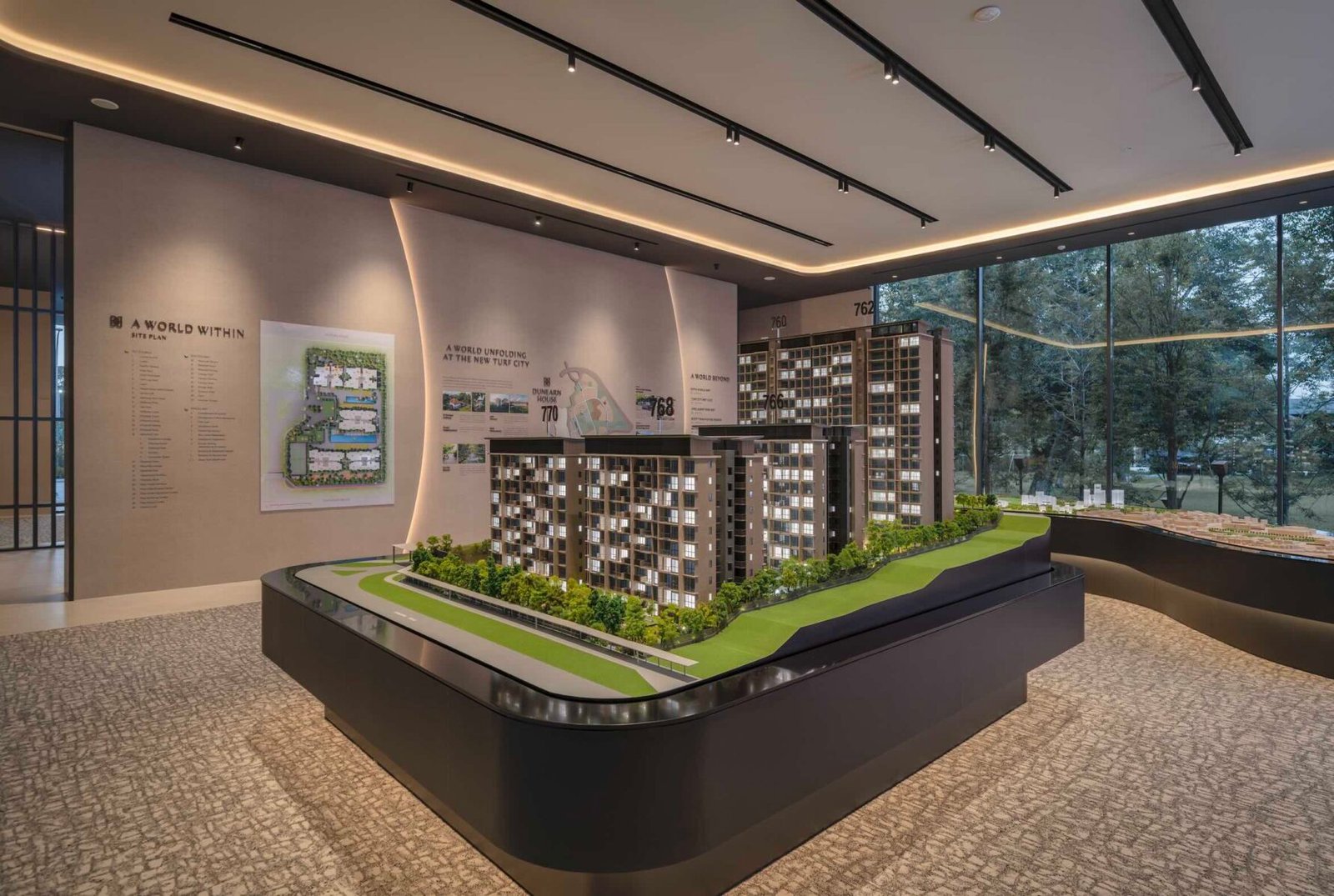
Red carpets, spotlights, a countdown clock. And to be fair, 1,268 units on the old Thomson View site, sitting right on top of an MRT station, is a genuinely big deal.
But I’ve learned not to put too much stock in launch-weekend excitement. Early buzz can drive sales, but it offers little protection if the market goes quiet for the next few years.
So when a project like this lands on my desk, I don’t start with “how exciting is it?” I start with a far more boring question: if everything went sideways — flat prices due to lower buyer’s demand, interest rates inching higher again and for longer, no quick pop after TOP — would I still be comfortable paying mortgages for it?
That is the “feel safe” test. And it is the one I want to walk you through here, because Thomson Reserve happens to pass it more convincingly than almost anything I’ve reviewed this year. You decide.
The Verdict, In 60 Seconds
Yes. If you’re buying to keep — to live in, or to hold for the long term. Based on what we know today, Thomson Reserve would comfortably make my shortlist of safer new launches.
Not the flashiest. Not the one with the wildest projected upside. The safest. There is a difference, and by the end of this you’ll see why I think safe is badly underrated.
Thomson Reserve would make my shortlist without hesitation. I’d only tell you to think twice if you’re chasing rental income tomorrow morning (completion is around 2031), or you need to sell it four years later — a project this size takes a little time to move.
Best for: families, HDB upgraders, long-term holders, and anyone who values “I can always sell this” over “I might strike gold.”
Think twice if: you want rent immediately, you’re on a short horizon, or you’re buying mainly because the launch looked busy.
I would personally avoid Thomson Reserve if:
- You expect to sell within 4–5 years.
- You need rental income before 2031.
- You’re stretching your finances to buy it.
- You’re choosing it purely because everyone else is.
Project Snapshot
What it is: the former Thomson View, bought en bloc for $810 million by a UOL / Singapore Land / CapitaLand consortium.
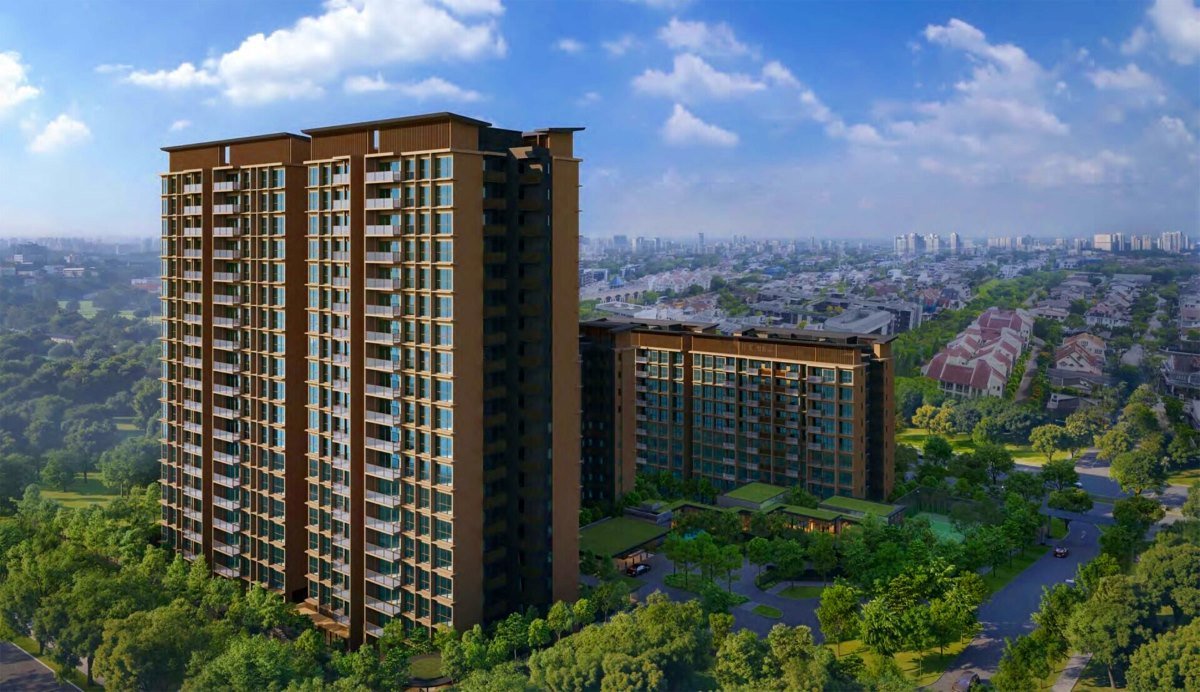
Size: about 1,268 units across two 30-storey and four 21-storey blocks · 99-year leasehold · District 20, Upper Thomson.
Land cost: roughly $1,178 psf ppr. Expected completion around 2031 (to be confirmed). Preview is targeted for September 2026.
Indicative pricing: unofficial estimates point to units possibly starting from the $2600psf to $2800psf. Nothing is official yet — treat every number here as a range, not a promise.
The Boring Checklist That Actually Protects Your Money
Here’s the thing nobody tells you at the showflat: most of what makes a home “safe” is deeply unglamorous. It isn’t the infinity pool or the marble in the lobby. It’s a short list of features that keep a place easy to rent and easy to sell — in good markets and bad.
Think of them as the property’s insurance policy.
There are really only four that matter, and I look for them every single time.
- 1. A train station you can walk to in minutes — not “near MRT,” actually next to it.
- A good school within 1km, because school proximity creates a permanent pool of buyers and tenants who need your address.
- Real shopping and food on your doorstep, a mall that already trades and not a promise of one.
- Scale — a big project with a deep, liquid resale market, so there’s always someone to buy from you.
Most launches give you one or two of these and ask you to compromise on the rest.
What made me sit up with Thomson Reserve is that it quietly ticks all four — and then adds a fifth that almost nobody manages:
5. A genuinely low land cost.
1. The MRT isn’t nearby, it’s “downstairs”
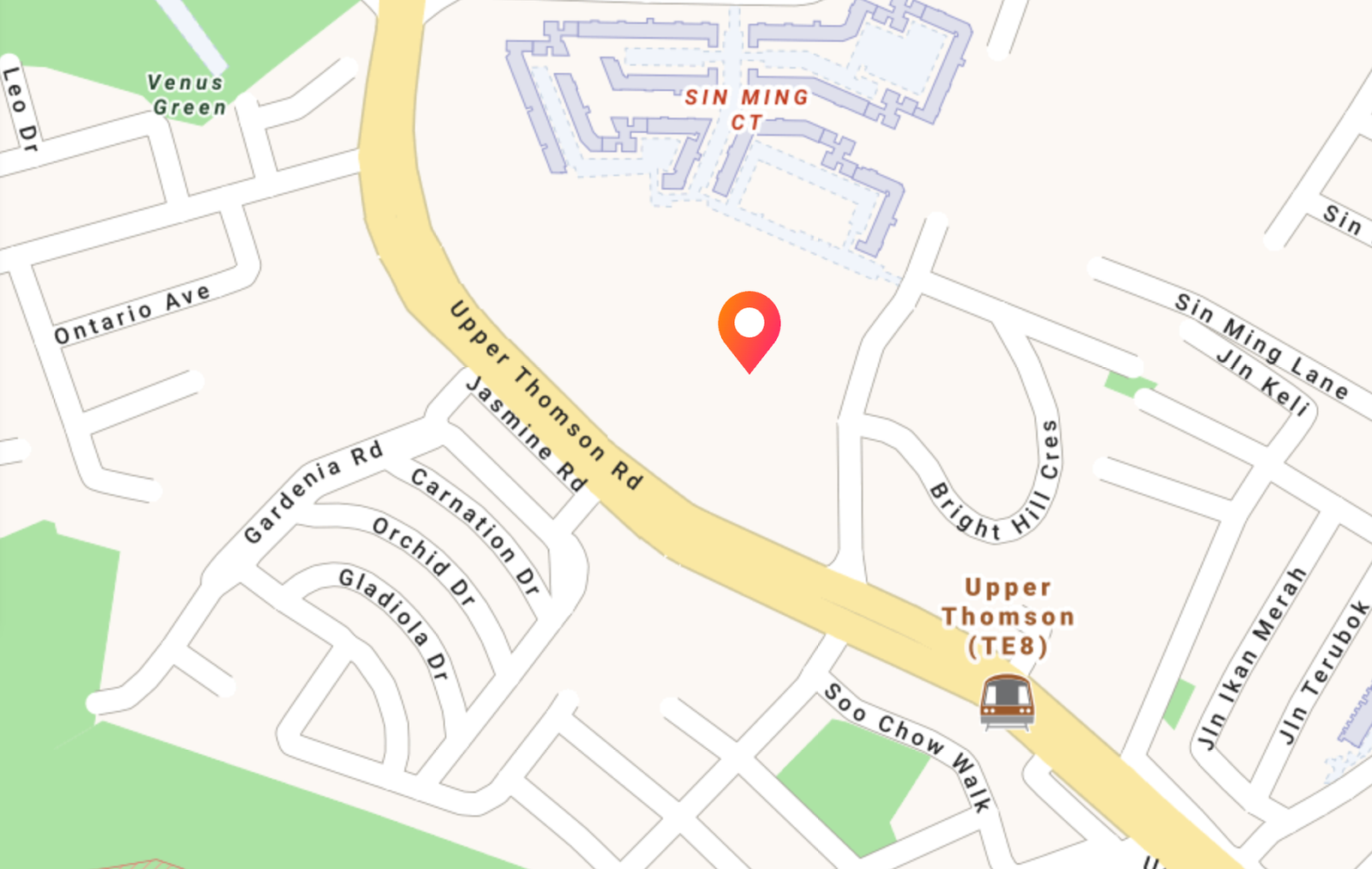
Upper Thomson station on the Thomson-East Coast Line is about a one-minute walk from the Bright Hill Drive entrance. That alone would be enough. But the connectivity here is unusually deep for a suburban address.
From Upper Thomson you’re just one stop from two interchanges — Bright Hill (which will meet the future Cross Island Line) and Caldecott (Circle Line). On the TEL itself you’re two stops to Stevens, five to Orchard, six to Great World, with a future direct ride to Changi Airport Terminal 5.
Once the Cross Island Line opens, Ang Mo Kio, Hougang and Clementi come within a handful of stops without a single change of train.
Why does this matter as a safety net? Because transport access is the single most durable driver of rental demand and resale liquidity. Tenants filter for it, buyers filter for it, and — crucially — nobody can build a better station next door to make yours obsolete.
It is already here.
2. A Mall Across the Road, a Top School Around the Corner
Directly opposite is Thomson Plaza — a FairPrice Finest, banks, clinics, Starbucks, a proper spread of restaurants — about a three-minute walk, much of it sheltered.
That is the difference between a location that is genuinely convenient and one that is merely “up and coming.” You don’t wait five years for the amenities to arrive; they’re already open.
Then there is Ai Tong School, within 1km and roughly a five-minute walk — one of the most sought-after primary schools on the island, and an address advantage with a surprisingly direct impact on housing demand.
Families hoping to secure that proximity advantage often have two options: rent nearby for the required qualifying period or buy within the 1km radius. Either way, it creates a steady pool of demand for family-sized homes. Three- and four-bedroom units become particularly relevant because they can comfortably house a family throughout the primary school years.
The same dynamic supports resale demand. An owner is not just selling a home; they may also be selling an opportunity to the next family hoping to secure a place at Ai Tong. Because primary school lasts six years, that demand naturally renews itself as one cohort moves on and another enters the system.
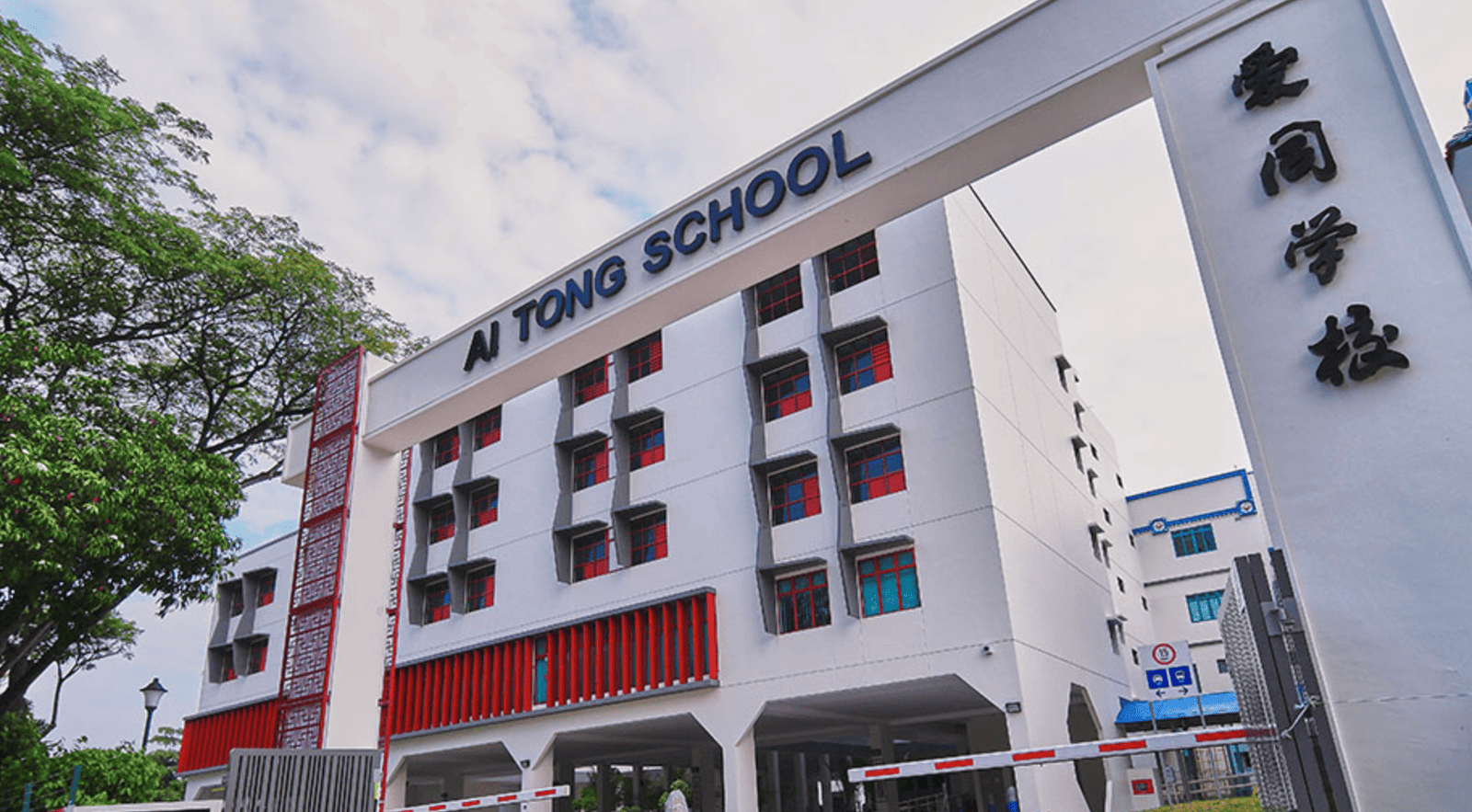
Around it sit Catholic High, CHIJ St Nicholas Girls’ School, Eunoia Junior College, and Raffles Institution. For a certain kind of buyer, that educational ecosystem alone is the whole ballgame.
Hold that combination in your head — MRT at the door, a mall opposite, a top primary school within 1km, and a strong pathway through the later years of education — because I am going to come back to how rare it actually is.
3. Scale You Can Sell Into
1,268 units sounds like a crowd, and some buyers instinctively recoil from big projects. I’d gently push back. When you’re thinking about the exit, scale is a feature, not a flaw.
A large development trades often. That means there is always a recent transaction to price against, always a buyer in the market, always liquidity when you need it. Look at Singapore’s proven mega-projects — Treasure at Tampines, Normanton Park, Parc Clematis, Parc Esta, The Florence Residences.
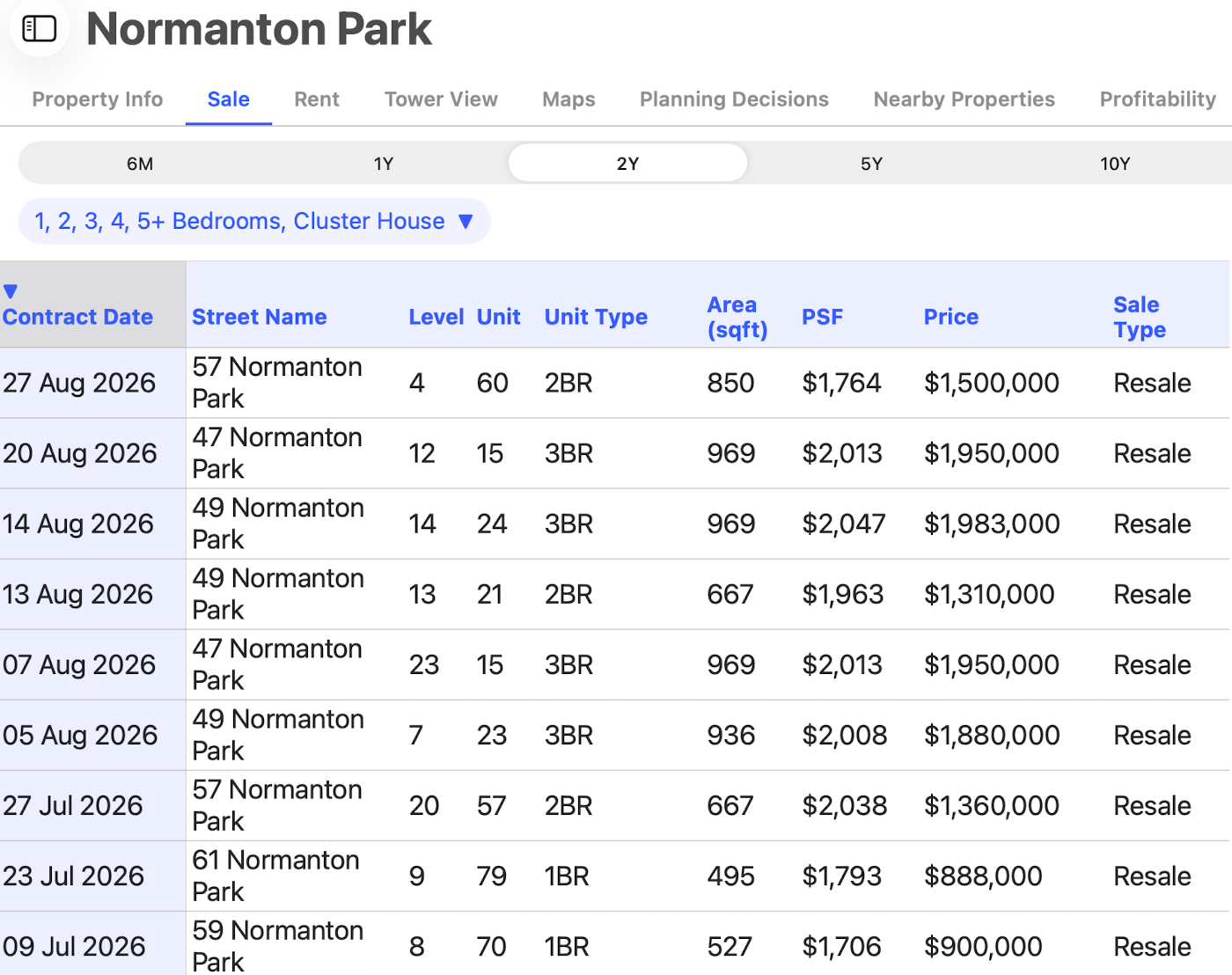
These aren’t obscure names; they’re household ones, precisely because they’re big, active and easy to move in and out of. When it’s time to sell, you want a market with traffic, not a boutique block where one anxious seller sets the price for everyone.
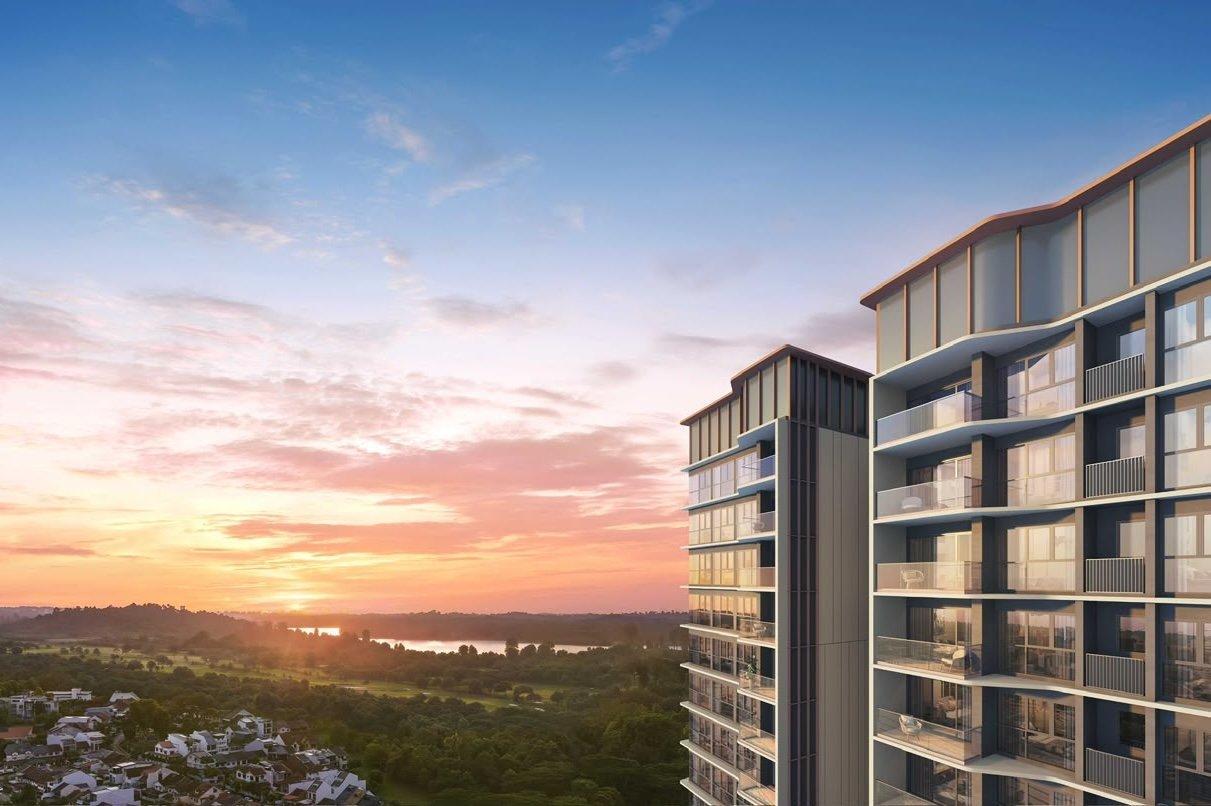
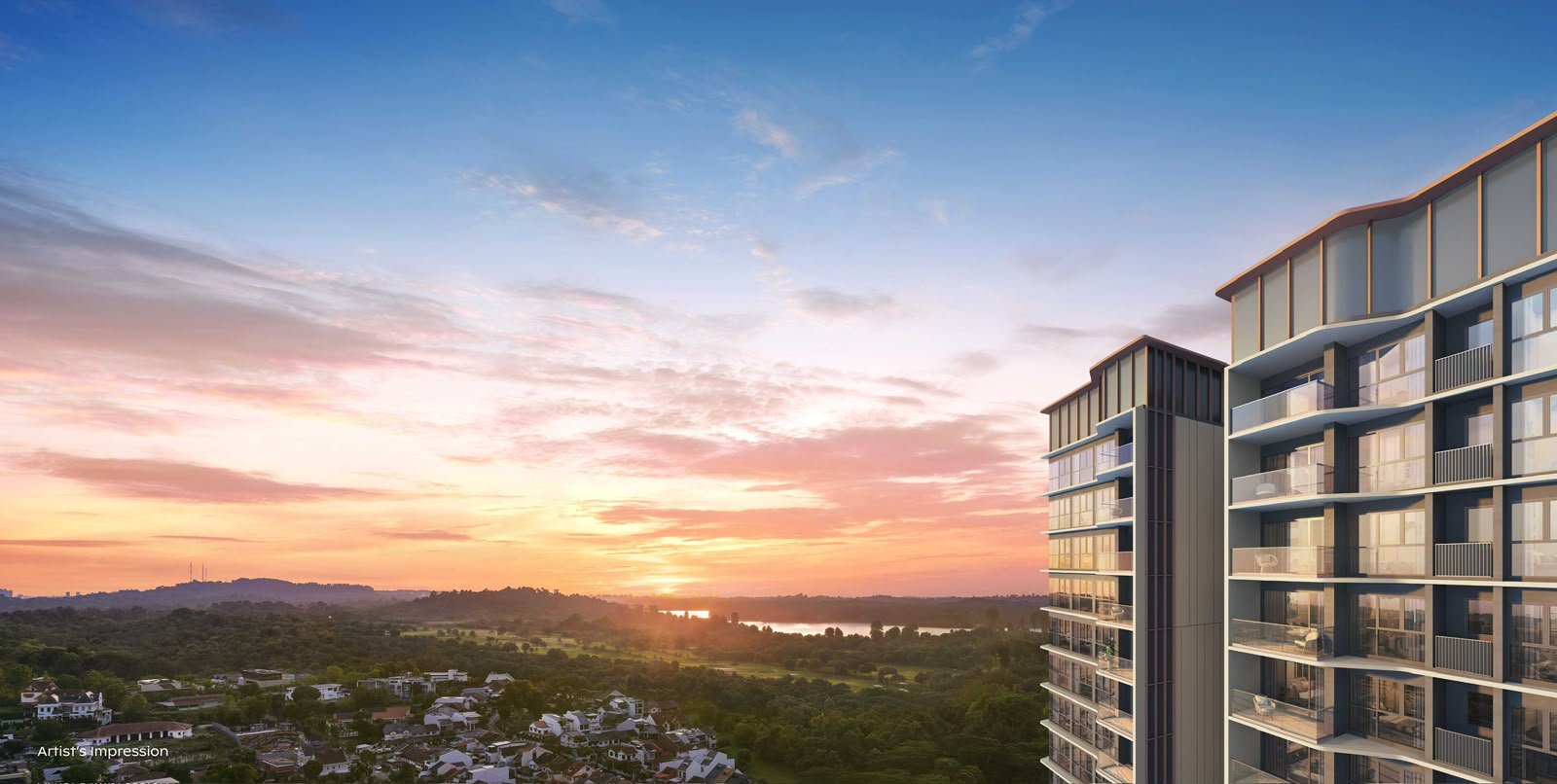
And for the record, this is no concrete jungle. The site backs onto landed enclaves and sits near five nature parks — MacRitchie, Lower Peirce, Windsor, Thomson Nature Park and Bishan-Ang Mo Kio — and the land itself is elevated a few storeys above the road, which tends to help the views.
4. The Part I Find Genuinely Remarkable: The Land Cost
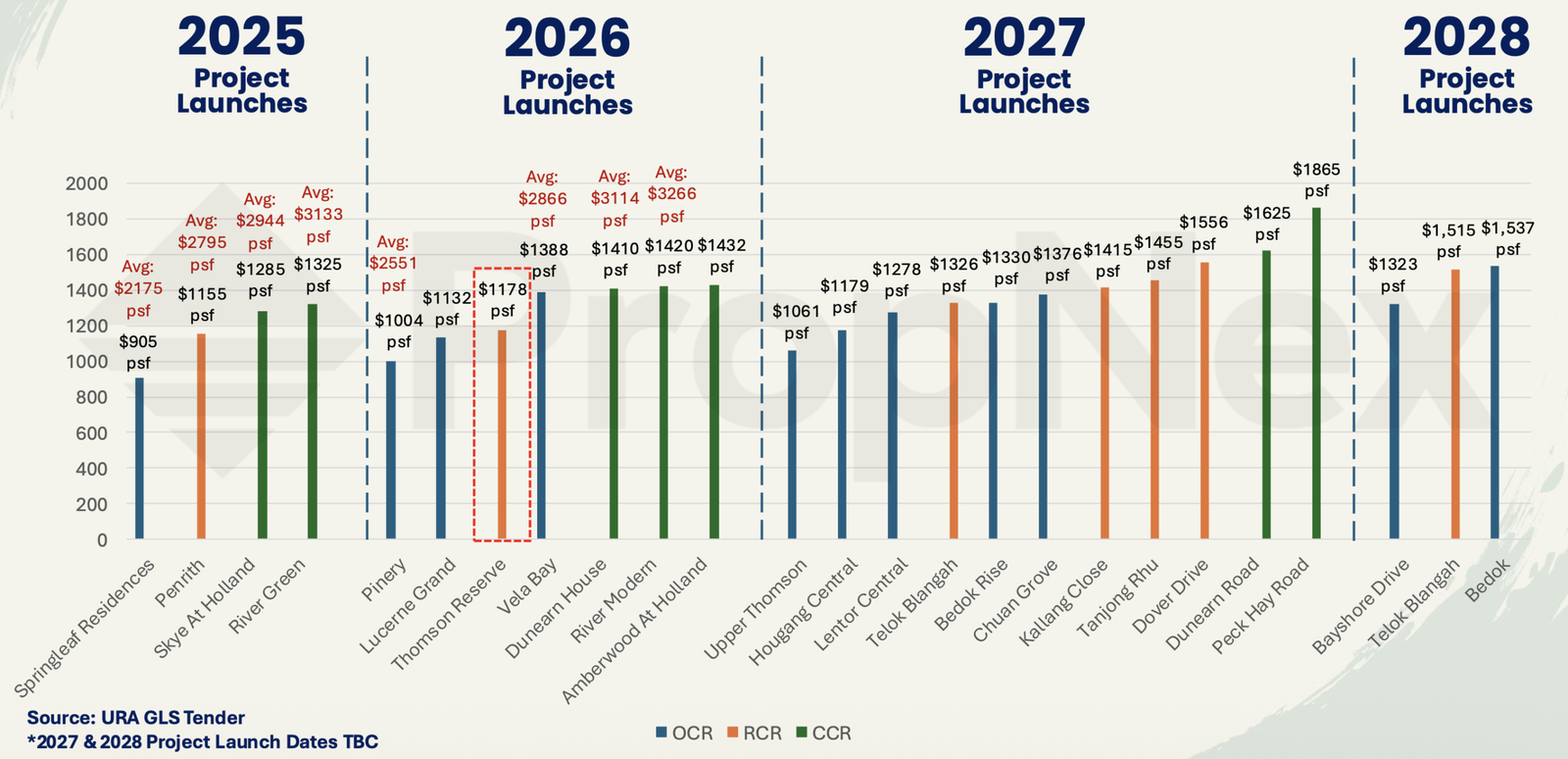
Now the number that made me look twice. The consortium secured this site at about $1,178 psf ppr. To put that in perspective, that is lower than the land cost of recent OCR sites — Lentor Central ($1,278), Bedok Rise ($1,330), Chuan Grove ($1,331–$1,376) — and even a hair below Hougang Central ($1,179).
Read that again. This is a city-fringe (RCR) plot, next to an MRT, opposite a mall, within 1km of a top school — and the developer paid less for the land than for outside-central sites sitting further out with fewer of those advantages.
That is not a marketing flourish; it is arithmetic, and it matters to you for two reasons. A low land basis gives the developer room to price sensibly at launch. And — the safety point — it means you’re entering at a level that later, more expensive land will have to be priced above. You are near the bottom of a ladder other people are still climbing.
Future-Proofing: You’re Buying Below What Comes Next
Here’s how that ladder plays out. The upcoming OCR launches — Lentor Central, Bedok Rise, Chuan Grove — all paid more for their land than Thomson Reserve did, so they’ll have to price accordingly. Vela Bay, an OCR project, has already logged a top price of $3,302 psf.
The honest question the market is now asking is whether $3,000 psf becomes the new OCR normal.
Meanwhile, look at what nearby completed projects are doing. Lentor Modern — OCR, on the TEL, completing 2026 — has 3-bedders transacting around $2,400–$2,500 psf, and early owners have banked profits of roughly $390,000 to $490,000 in about three years.
AMO Residence, which doesn’t even have an MRT directly downstairs, is seeing 3- and 4-bedroom psf push past $2,500, with several owners up $500,000 to $680,000.
So sit with this. If Thomson Reserve launches somewhere around $2,600–$2,800 psf — a city-fringe project with a station at its door, a mall across the street and a top school in the catchment — the gap to those OCR resale prices has essentially closed.
You’d be paying roughly what people already pay for less-connected homes further out. That is the opposite of overpaying.
The Resale Proof: The Checklist Actually Works
I don’t want you to take the theory on faith, so let me show it playing out in real transactions, using two big projects worth comparing.
Parc Clematis (District 5, about 1,468 units, completed 2023) ticks every box: Clementi MRT, malls nearby, and Nan Hua Primary within 1km. It has been one of the strongest large-project performers around.
Over the past couple of years, 3-bedroom owners have logged gains like $639,000, $733,000, even $899,000 — homes bought at roughly $1,500,000–$1,700,000 reselling at $2,100,000–$2,600,000. That is what happens when scale meets an MRT meets a good school.
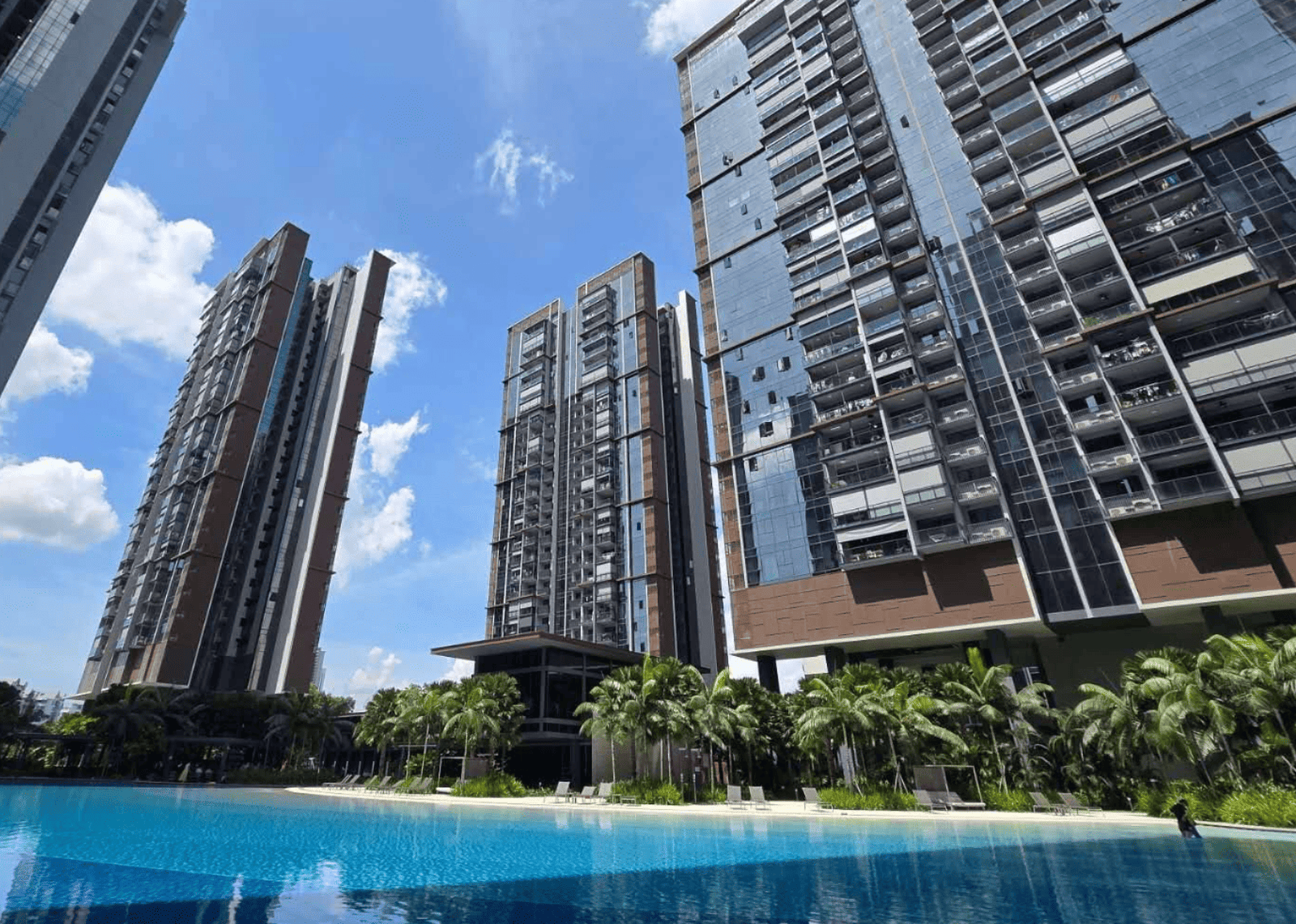
Parc Esta (District 14, about 1,399 units, completed 2022) is the useful contrast. It sits right on Eunos MRT and it’s big — but it doesn’t have an elite school within 1km. And yet demand is still strong: 3-bedders have resold at $2,281–$2,601 psf ($2.30m–$2.75m), at all-time highs for the project.
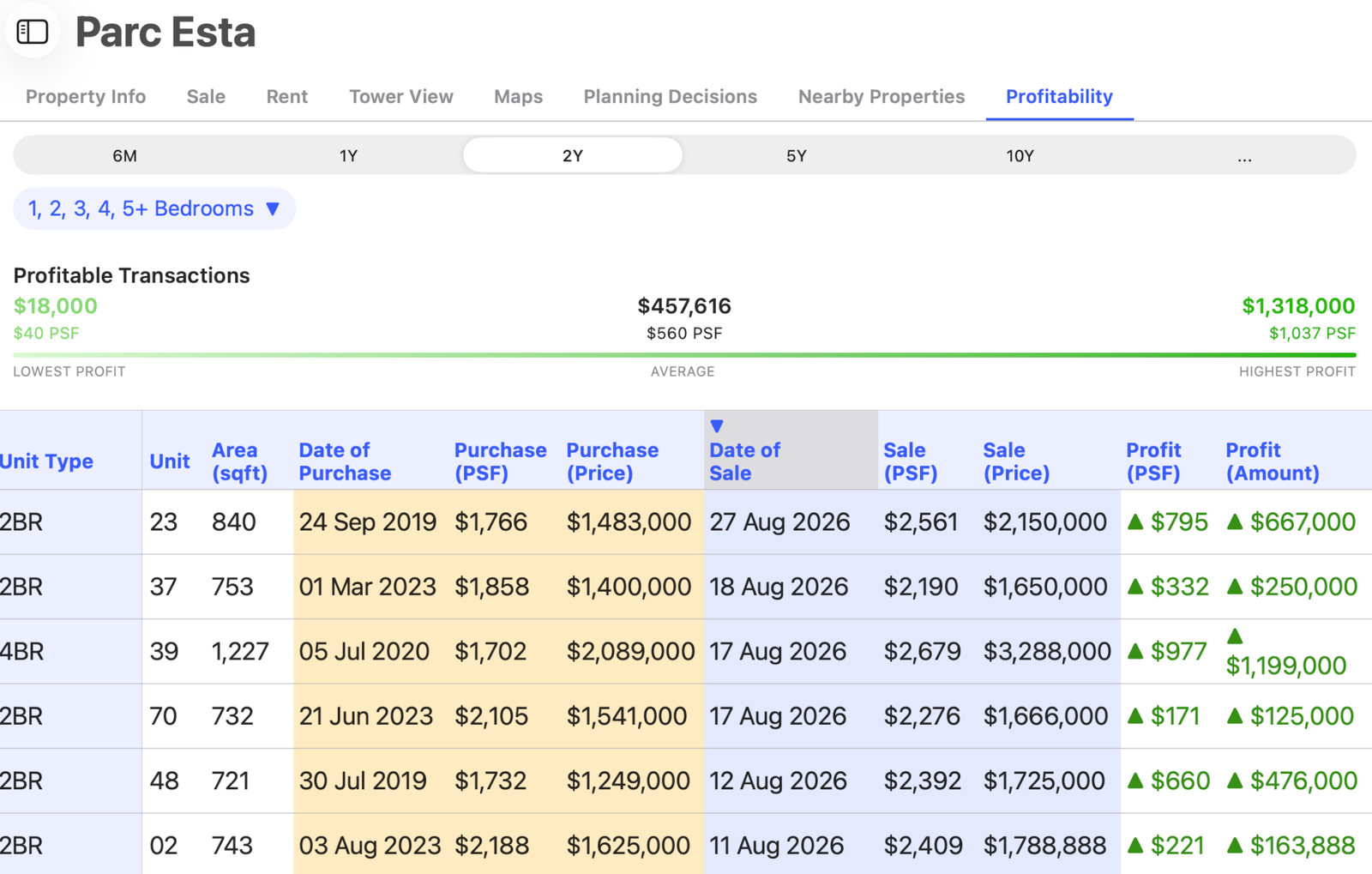
The lesson is subtle but important — MRT plus scale alone keeps a big project liquid and appreciating. Add the school and the mall, and you get Parc Clematis.
Now line Thomson Reserve up against both. It has what Parc Esta has (MRT, scale) and what Parc Clematis has (school, mall) — at a city-fringe address, on a lower land cost, at a larger scale than either. I won’t promise numbers on an unlaunched project. But the pattern is hard to argue with.
|
Thomson Reserve |
AMO Residence |
Parc Clematis |
|
|
District / tenure |
D20 (RCR) · 99-yr |
D20 (OCR) · 99-yr |
D5 · 99-yr |
|
Scale (units) |
~1,268 |
372 |
~1,468 |
|
Next to MRT |
Upper Thomson, ~1 min walk |
~494 m to Mayflower |
Clementi, short walk |
|
Top school within 1 km |
Ai Tong School |
Ai Tong + CHIJ St Nicholas |
Nan Hua Primary |
|
Mall at doorstep |
Opposite Thomson Plaza |
None nearby |
Clementi malls nearby |
|
Recent resale signal |
Launch TBC (est. mid-$2,000s psf); harmonised floor ~$2,750–$3,080 psf |
3–4BR ~$2,500–$2,600 psf; owners up ~$500k–$680k |
3BR ~$2,200–$2,490 psf; owners up ~$500k–$900k (≈2 yrs) |
Transaction data from URA caveats; figures are indicative and, for Thomson Reserve, pre-launch estimates.
The Safety Net Under the Price
One more reassurance for the nervous buyer. Because of the harmonisation of floor-area definitions (which lifts newer projects’ comparable psf), nearby completed projects are effectively transacting at roughly $2,750 to $3,080 psf — Lentor Modern around $2,849, AMO $2,921, Jadescape $3,019, Sky Vue $3,077.
As the first harmonised project in the Thomson stretch, that band sits like a floor beneath Thomson Reserve’s value: below about $2,650 psf is a clear buy, the mid-to-high $2,700s is the accepted city-fringe norm, and the high-$2,750s still buys you that proven safety net plus premium high-floor views.
Where That Leaves You — and the Honest Downsides
I promised safety, not perfection, so here is the fine print. Pricing is still to be confirmed — everything above is drawn from land cost, comparable resale and estimation, not an official price list, so treat the ranges as ranges.
Completion is around 2031, so no rental income for years and a long wait if your horizon is short. And scale cuts both ways: 1,268 units are liquid, but at launch and again at TOP you’ll have neighbours selling and renting alongside you. If pricing comes out aggressive on the top floors, the value argument tightens — so keep asking the question right up to booking day.
And there are situations where I would genuinely buy something else. If your budget is below $2.5 million, I would probably look at an AMO Residence resale before stretching for Thomson Reserve. If immediate rental income matters more than waiting for completion, I’d compare it against completed projects around Lentor instead. A safer buy is not necessarily the same property for every buyer; it depends on what you need the property to do.
None of that changes my answer on Thomson Reserve. It isn’t a lottery ticket. It is the thing I actually want most buyers to own: a home with so many things going right for it that even a boring market struggles to hurt you. If safe is what you’re after, this is about as safe as new launches get.
Not Sure What “Safe” Looks Like for Your Budget?
That’s the normal state of affairs. Most buyers aren’t choosing between buying and not buying — they’re choosing between several decent options with different trade-offs.
Years ago, I bought into a project because the upside looked attractive. The fundamentals were weaker than I should have liked. The project eventually made money, but it taught me something important: I care more about avoiding bad outcomes than chasing perfect ones.
If you’re considering Thomson Reserve, I’ll happily stress-test it against whatever else you’re looking at—even if the conclusion is not to buy Thomson Reserve. Either way, you’ll know why.
Sometimes the best decision is the one you don’t make.
Elson Koo is a property advisor who’d rather protect your downside than sell you a dream.
*Disclaimer: all figures are estimates or accurate at time of writing and may change without notice. Thomson Reserve is an unlaunched project; unit mix, pricing and completion are subject to confirmation.