
DATA-LED SELLING
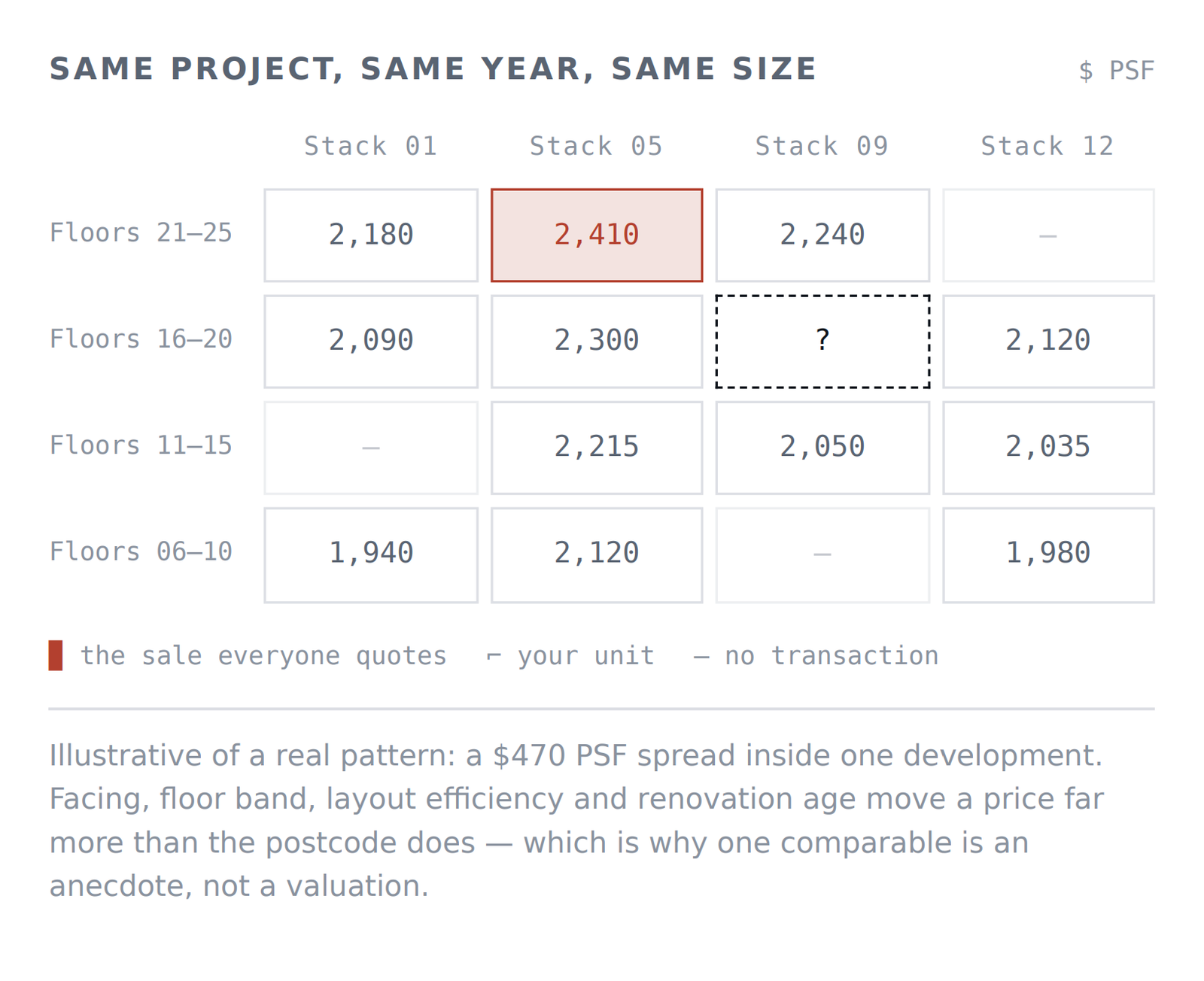
Your neighbour sold for $2.4m. That tells you almost nothing about your unit.
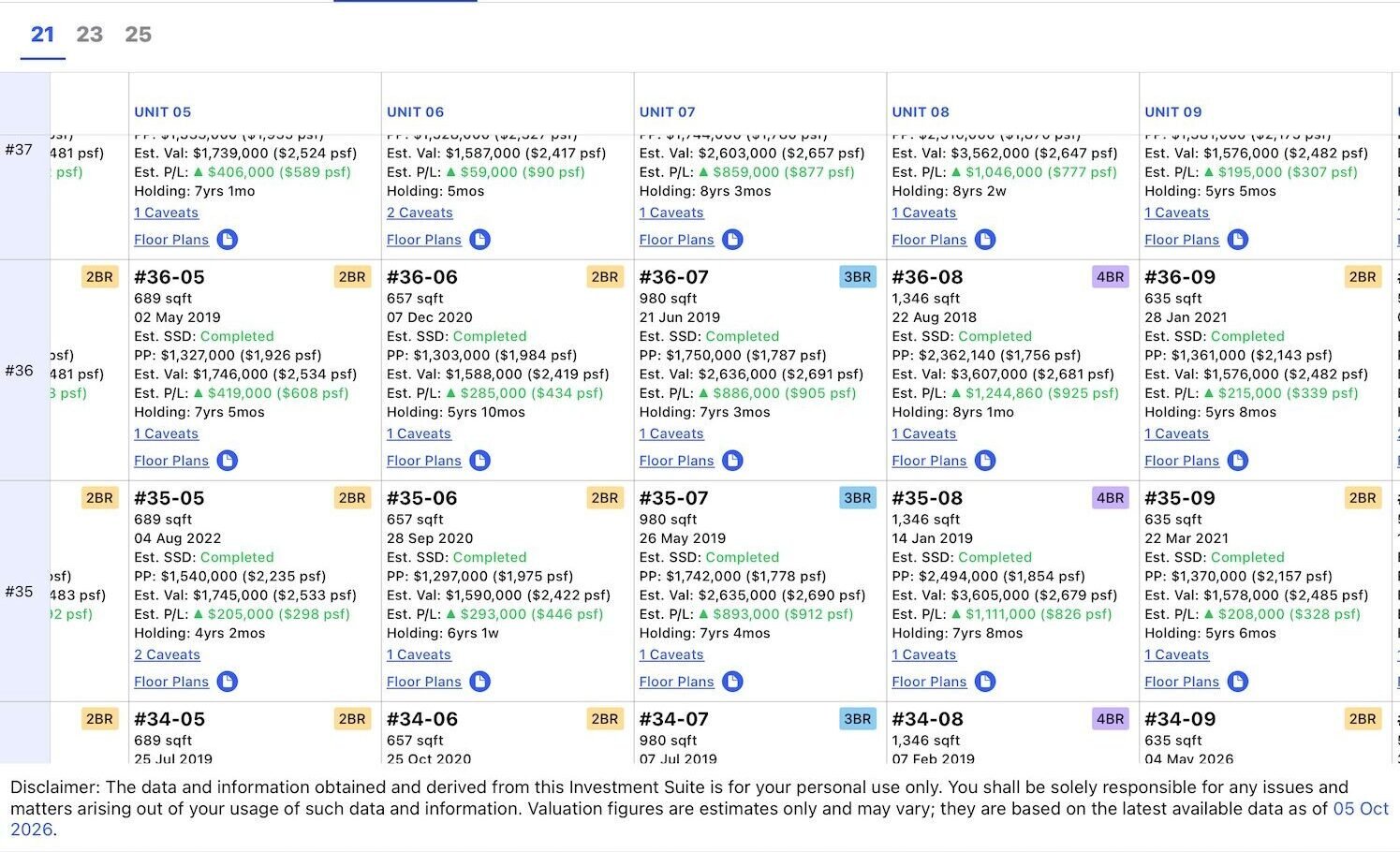
Different stack. Different floor. Different layout efficiency. I run your home against every transaction in your project, check it against what is on the market now and who is actually buying, then give you the number I can defend, in writing, before you sign anything.
Free, and no listing agreement. Analyse before signing anything.
THE MARKET AS IT STANDS
Selling into a softer market changes the arithmetic.
Fewer buyers, moving more slowly, with more to compare you against. In this market the launch price is the whole game.
+0.5%
Private home price growth, Q2 2026 – down from 0.9% the previous quarter
-15.9%
Fall in private home transaction volume from 2H 2025 into 1H 2026
−0.3%
HDB resale price index – the first back-to-back quarterly fall in almost seven years
−10.2%
Fall in HDB resale transaction volume over the quarter
Source: URA Q2 2026 flash estimates; HDB Q2 2026 resale statistics.
WHY GOOD HOMES SIT UNSOLD
Three weeks. That’s how long your listing is new.
The agent who quotes highest has the least to lose
Buyers have been looking for six weeks
They know what your unit is worth. They also notice the one that has been sitting there since March, and they price that in.
You don’t get a slow sale
WHY I DON’T TRUST POSTCODES
I’ve watched Singapore's best addresses lose money.
| Project | What the record shows | Why it happened |
|---|---|---|
| OUE Twin Peaks, Leonie Hill Road | 27 losses, 0 profits in one year | Walking distance to Orchard MRT — and a 99-year lease ringed by freehold competitors, sold largely to investors with no reason to hold. |
| Peak @ Cairnhill 1, Cairnhill Circle | −4% to −5% annualised | Freehold, prime, and still several hundred thousand down after a decade. Freehold is a long-term advantage, not a force field. |
| Marina One Residences, Marina Way | 44+ losses in one year | Three MRT lines on foot — and not one primary school within a kilometre, so families quietly cross it off the list. |
| Reflections at Keppel Bay | $3.7m in 2012 resold at $2.78m | A Libeskind waterfront landmark. An architect’s signature is not a pricing strategy. |
Source: URA transaction records.
These owners weren’t unlucky. They priced against the address instead of the record.
The same research that finds the projects that lose money also shows where yours is earning a premium: which stacks and floor bands buyers pay for, and where an ambitious price starts to outrun what has actually sold. Whether your project is in the red or the green, I start from the transactions, so your price comes from the evidence, not the postcode or the highest quote.
WHAT YOU ACTUALLY GET
A valuation with the evidence attached
Most agents open with a number. I’d rather open with the evidence and let you decide whether the number holds up.
YOU SEE
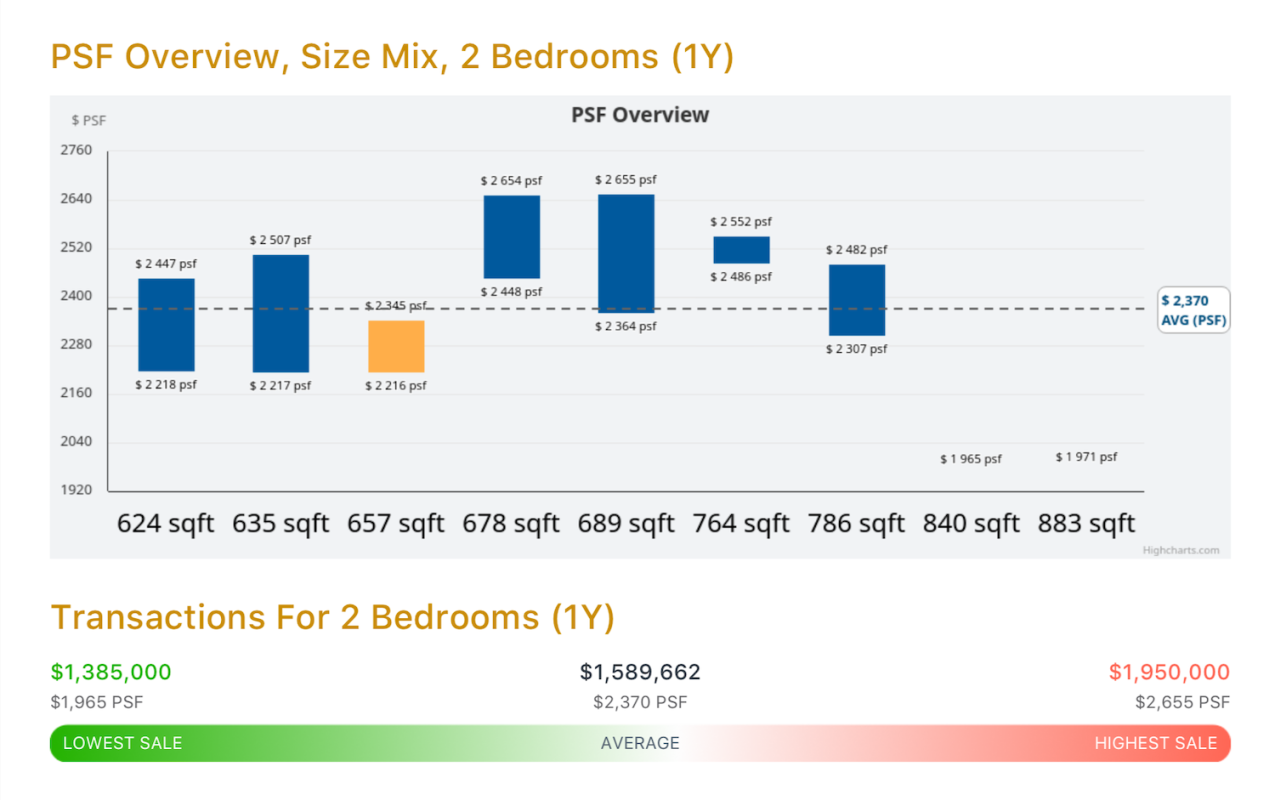
Every transaction in your project over 12 months, split by stack, floor band and unit type.
PLUS
THEN
AND
The buyer profile most likely to pay well for your unit, and what they will compare it against.
CATCH
HOW I SELL IT
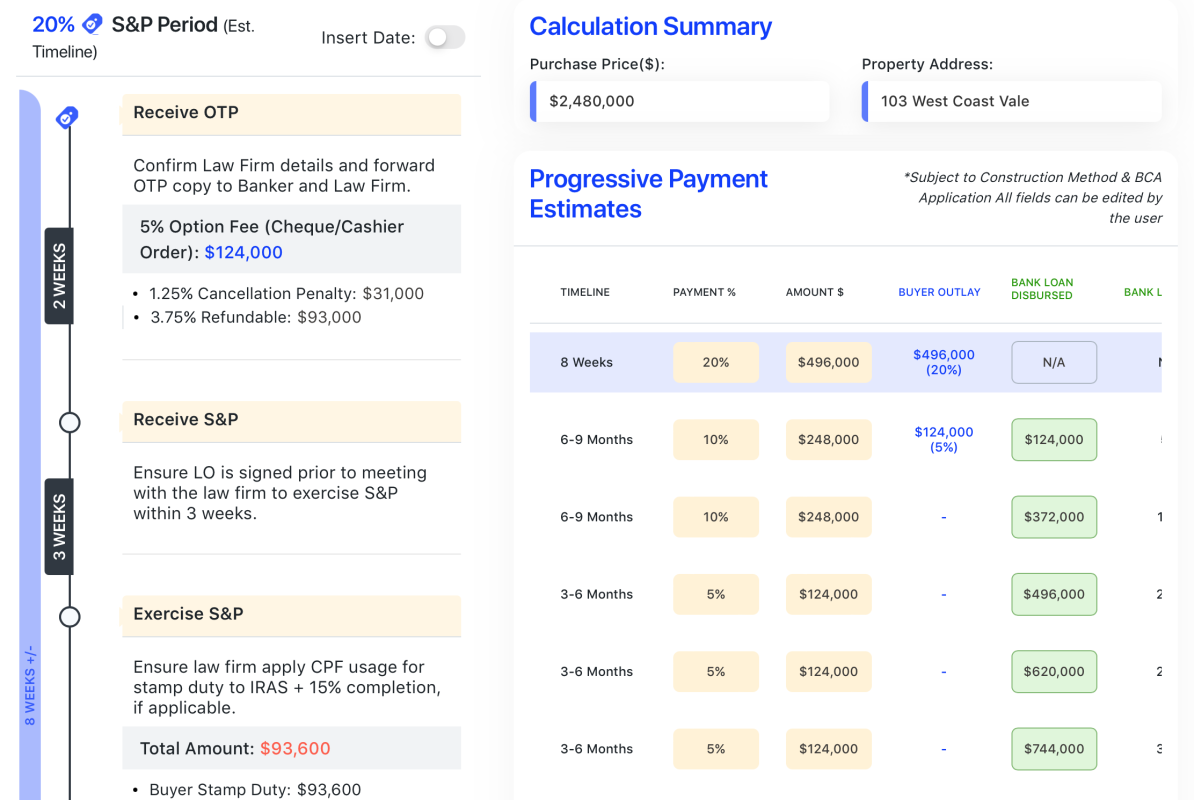
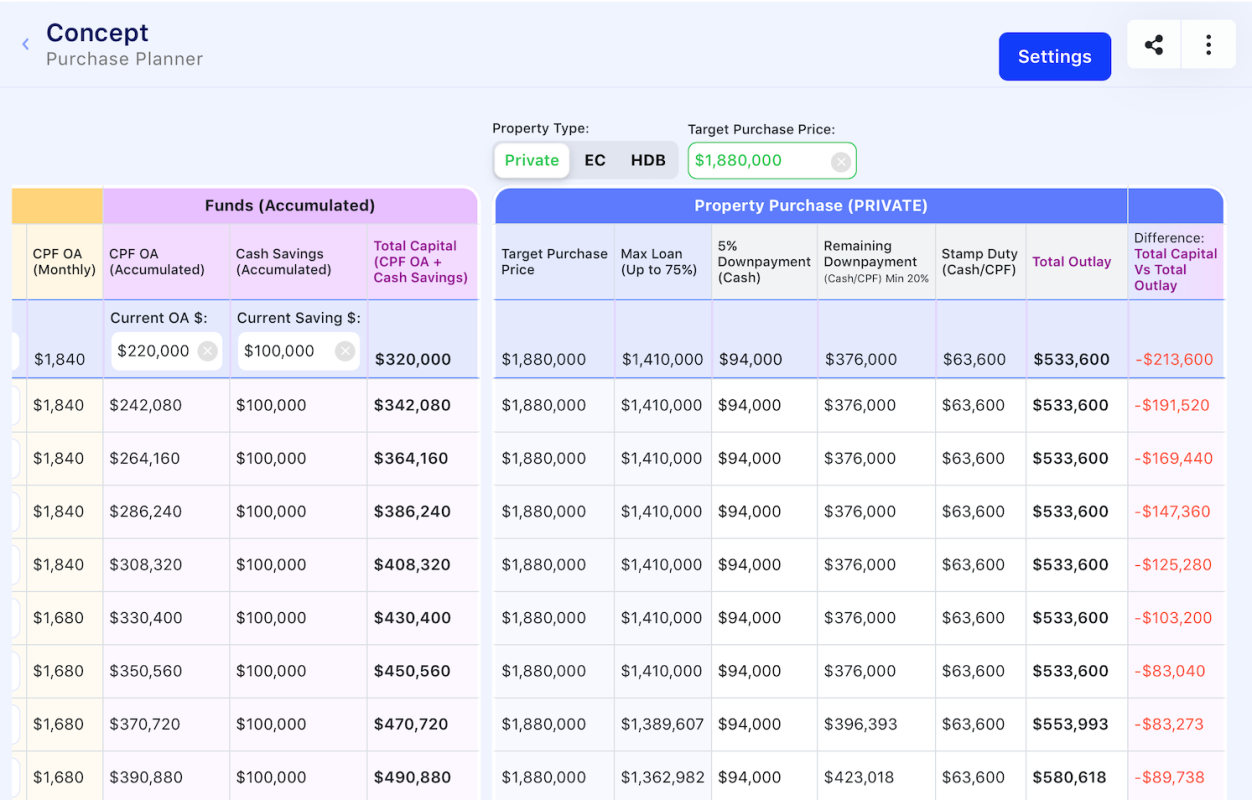
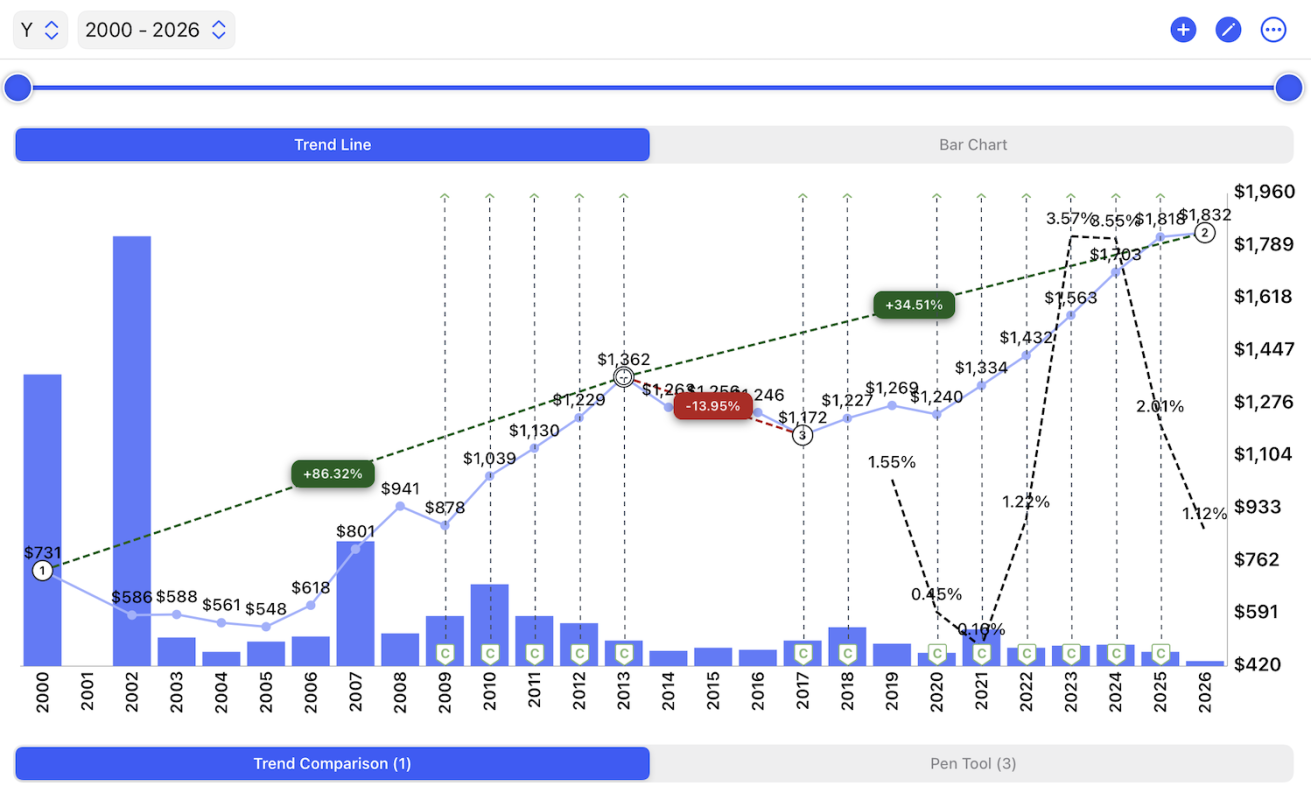
Seven stages. The first three happen before a photographer is booked.
01
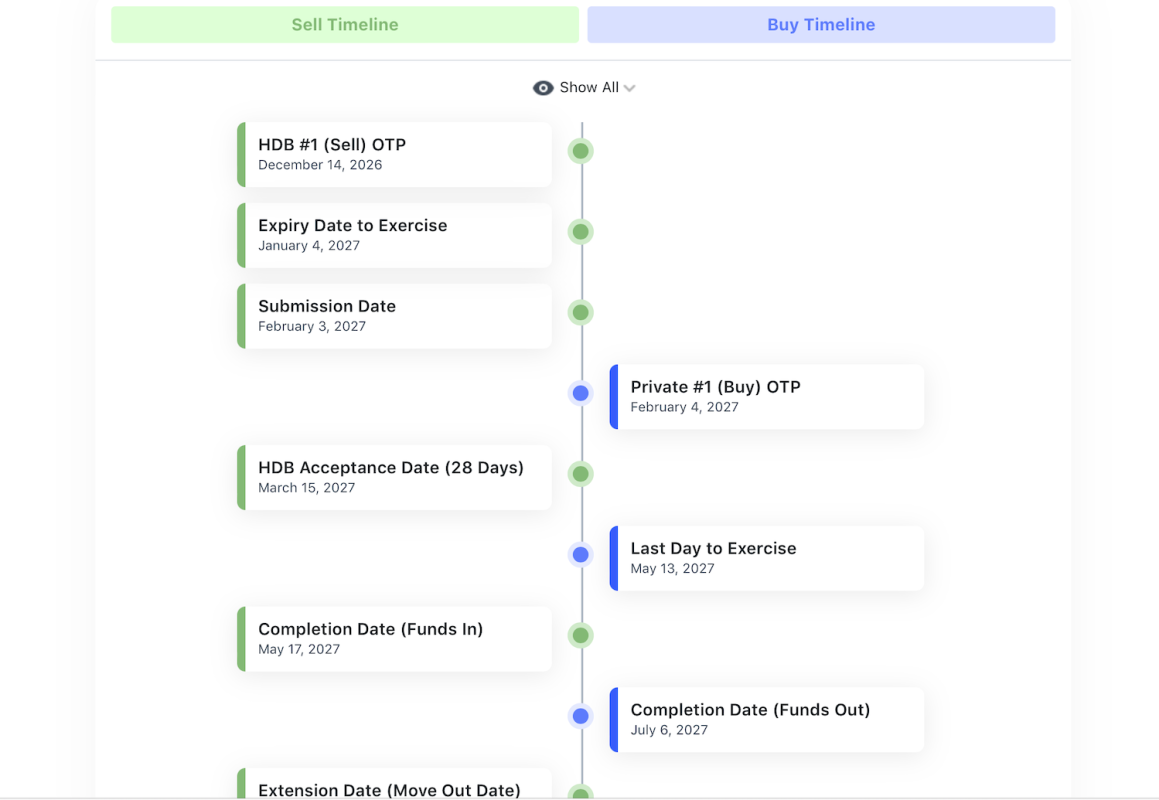
Diagnose — your timeline and constraints first; a ten-week completion needs a different strategy from a patient sale. Then the evidence.
02
Fix the price position — a launch price and a negotiation floor, defensible line by line. If mine is below yours, you hear why before you sign.
03
Build the buyer case — the strongest honest story your home can tell, aimed at one specific buyer: space, school access, layout efficiency, yield, scarcity.
04
Prepare only what pays — staging, renders and touch-ups when they change how buyers value the home. Skipped when they don’t.
05
Launch to the right audience — portals, plus the channels that actually reach your buyer pool: my own audience, video, targeted social, database, agent network.
06
Read the response honestly — clicks without viewings, viewings without offers, a competitor repricing. All data, reviewed weekly with a recommendation attached.
07
Negotiate the whole deal — price, timeline, conditions, financing certainty. The highest number on paper isn’t always the best offer, and I show you the arithmetic.
FROM YOUR SIDE
- You know the strategy before the listing goes live
- You see the transactions, not a summary of them.
- You get the uncomfortable feedback while it’s still useful
- The person who runs the research is the person who negotiates
STRAIGHT ANSWERS
Questions sellers actually ask
How do I know whose valuation to trust?
How much does an agent cost, and when do I pay?
Do I have to sign an exclusive agreement?
Not to have the conversation, and not to get a valuation. An exclusive earns its keep when a sale needs coordinated spend, staging, outreach and one accountable party. If yours is straightforward enough not to need that, I’ll tell you — it’s a short conversation, but it’s an honest one.
How long does it take to sell in this market?
The honest answer is a range, and it comes from your project’s own record: how many comparable units transacted in the last 24 months, and how long each one sat before it did. If the record says four months, no marketing budget turns that into three weeks. Pricing, however, can turn it into nine.
Should I renovate or stage before listing?
Usually not in the way you’d expect. Most sellers are moving out, so large renovations rarely earn their money back, and I won’t ask you to spend big on a home you’re leaving. What sometimes pays is light and clever preparation that changes how the home presents. What is worth doing in yours depends on the unit and the buyer it is aimed at, and we decide that together once I have seen it.
The first offers came in low. Do I accept, counter or walk away?
One low offer isn’t the market, and the first time it lands, the right move isn’t obvious. Rejecting, countering and accepting each send buyers a different signal. I read the offer against your enquiries, viewings and competing listings, recommend one, and handle the counter so you’re not negotiating cold.
I bought fairly recently — does Seller’s Stamp Duty apply?
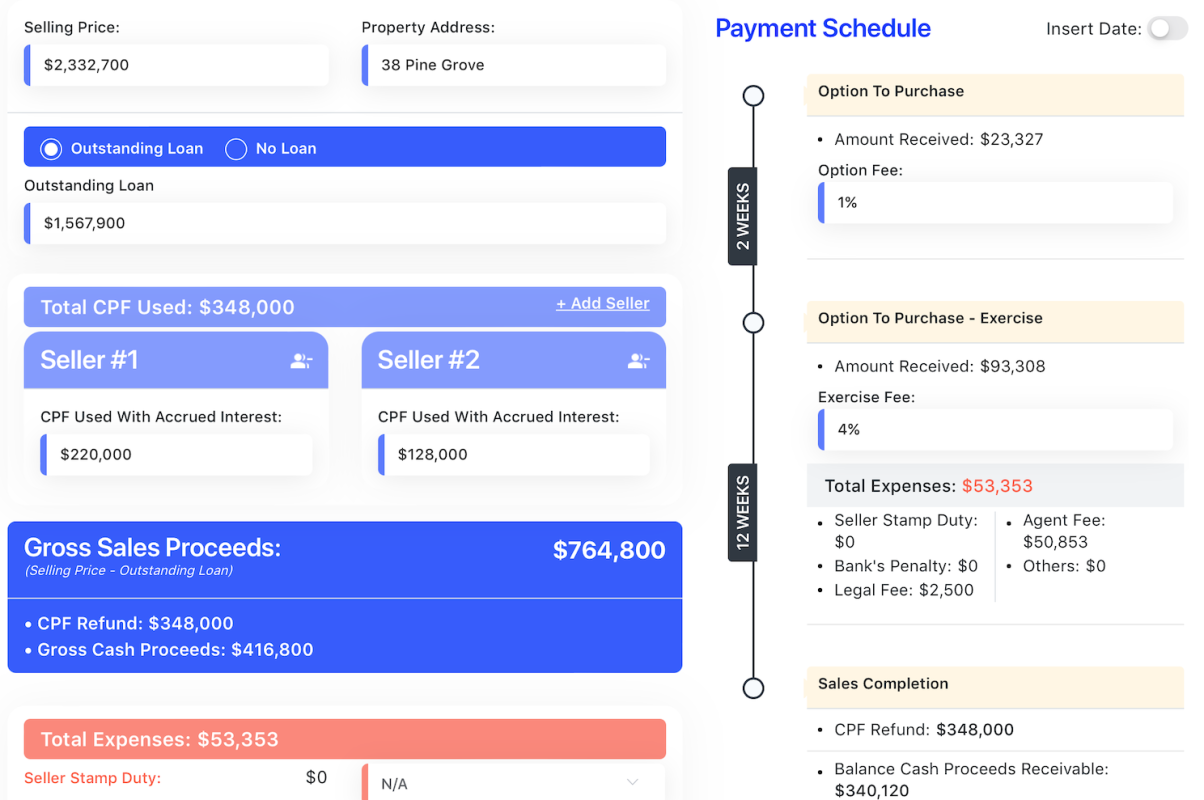
It changes what you actually keep. Seller’s Stamp Duty applies to residential property sold within four years of purchase, and it tapers by year. Before you decide anything I model net proceeds — after SSD, outstanding loan and CPF refunds — so you’re comparing what lands in your hand, not headline prices.
If you are close to the SSD’s last year mark, timing can change what you keep. Many owners in that window ask for a valuation and timeline planning early, so they know their numbers and net proceeds before the date arrives. Check in with us and we will model it out for you.
Can I sell and buy at the same time?
Yes, and they should be planned as one sequence rather than two projects. Sell first and you may be renting for months; buy first and you may be funding stamp duty you could have avoided. Both are survivable. Discovering which one you chose after the fact is the expensive version.
What if I decide not to sell after all?
BEFORE YOU LIST
Find out what the evidence says your home is worth.
Highest price, fastest exit, or coordinating with your next purchase — they pull against each other. The right strategy starts with knowing which one you actually want.